The best tide for paddle boarding is usually around slack water, the short spell when the tidal current is weakest, and ideally near high tide when there’s plenty of water over rocks and sandbars. If you can’t time it exactly, plan to paddle against the current on the way out so it helps you home.
Quick answer
- Best: slack water near high tide. Little current, deep water, fewer obstacles.
- Fine: slack near low tide, if you know the area and watch for shallows and exposed rocks.
- Hardest: mid-tide in channels, inlets and harbor mouths, when the current runs fastest.
- Worst combination: wind blowing against a strong tidal current, which stacks up steep chop.
- Always: check the tide and current predictions for your exact spot before you launch.
How tides work, in paddler terms
Tides are very long waves driven by the pull of the moon and sun. When the crest of that wave reaches your beach it’s high tide; when the trough arrives it’s low tide. Most US coasts get two highs and two lows a day, though the Gulf Coast often sees just one of each.
What matters on a paddle board is less the height of the water and more the current the tide creates:
- Flood current: water flowing in from the ocean as the tide rises.
- Ebb current: water flowing back out as the tide falls.
- Slack water: the brief lull between the two, when the current is weakest. NOAA says it can last anywhere from seconds to several minutes before the current turns and builds again.
High tide
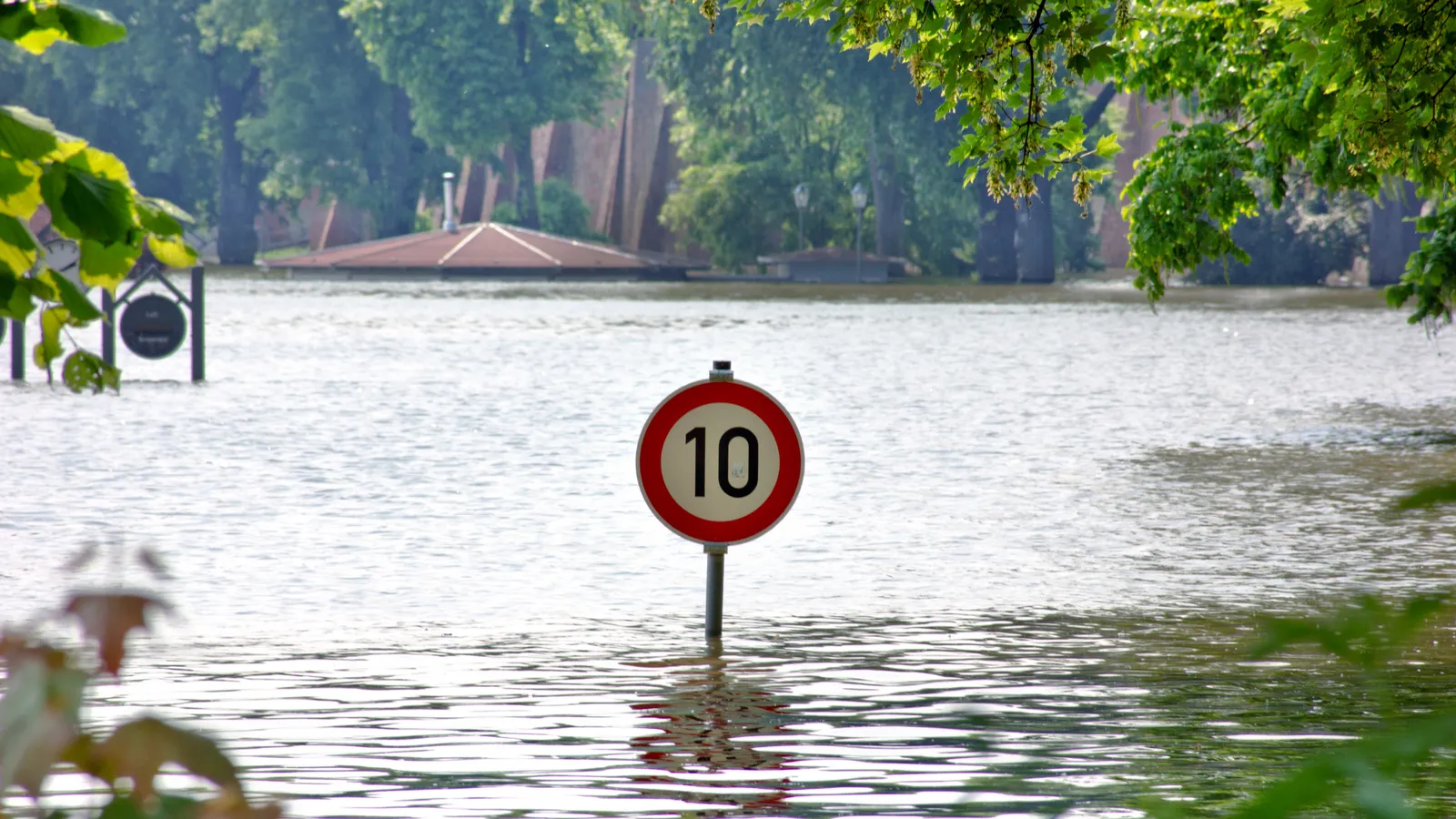
High tide covers rocks, oyster beds and sandbars, so you’re less likely to hit your fin or get stranded. Bays and back channels that are mud at low tide become paddleable. For most beginners, the hour or so around high tide is the easiest time to be on the water.
Low tide
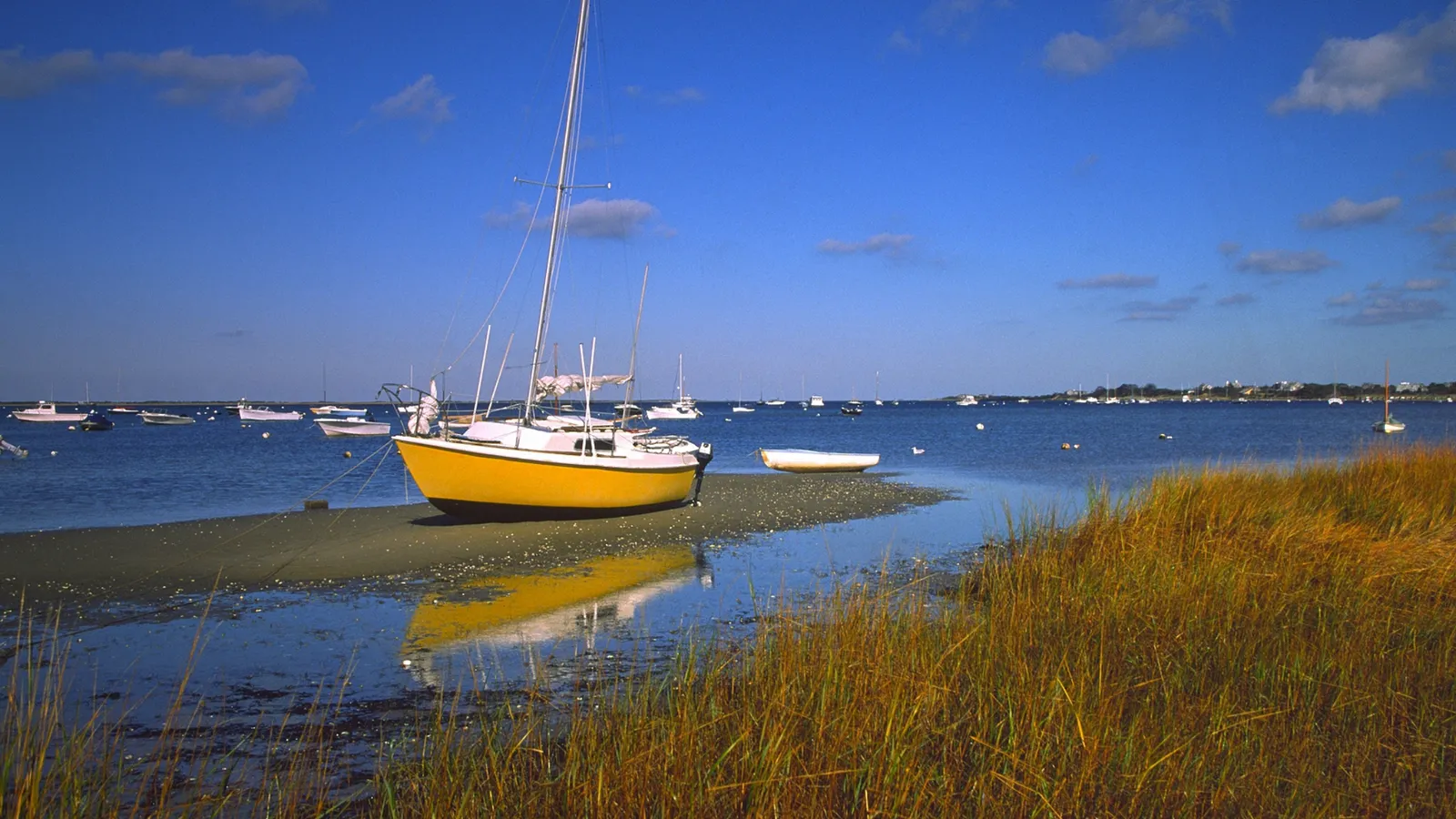
Low tide isn’t dangerous in itself, but shallow water means fin strikes, exposed rocks and long walks across mud to reach the water. In estuaries you can end up stranded on a flat until the tide comes back. On the plus side, low tide can be great for looking at tide pools and reefs, if you know the area.
Slack tide
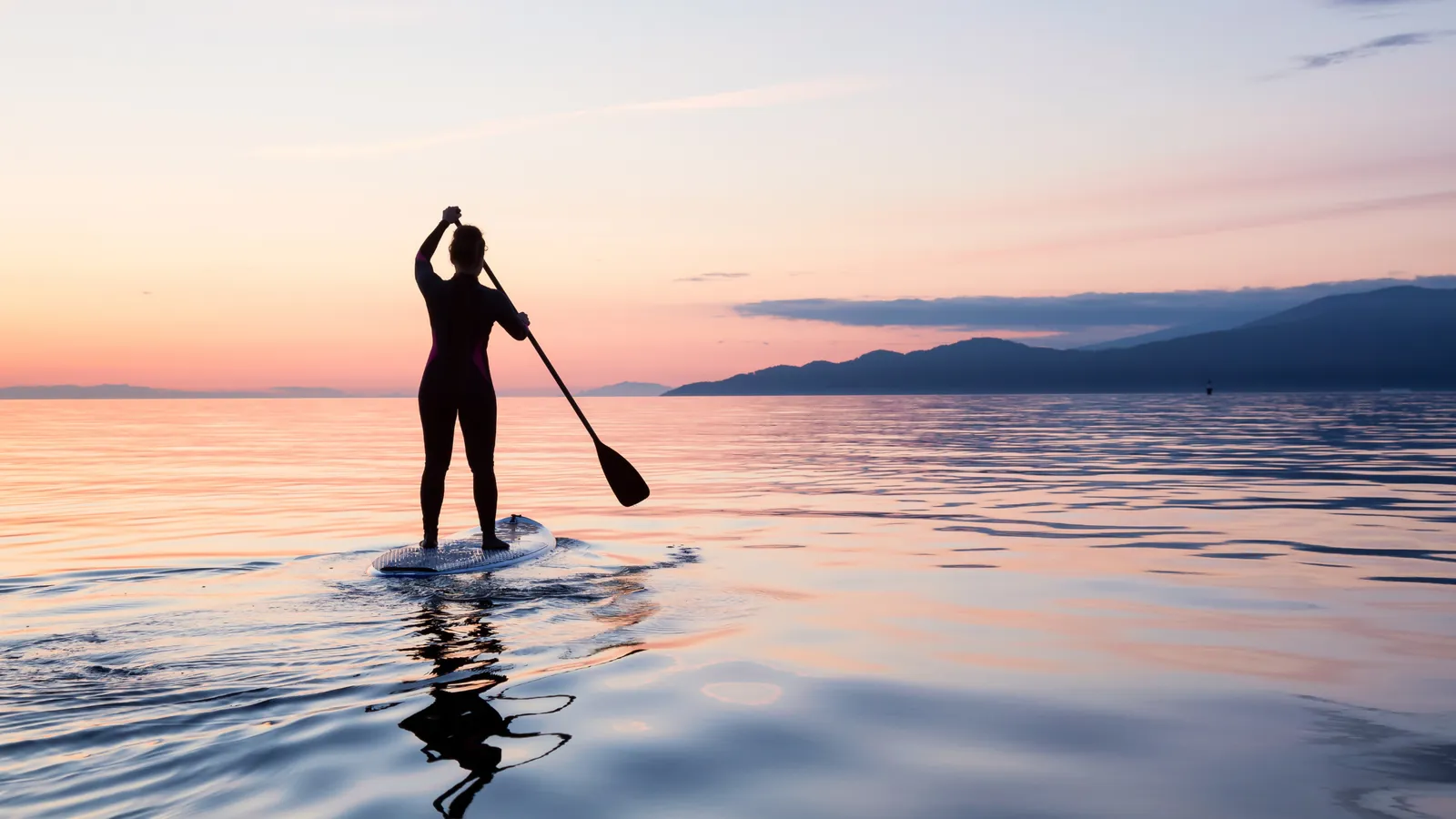
Slack water is the calmest time in places with strong tidal currents. Here’s the catch: NOAA’s Tides & Currents team says the rule of thumb that slack water happens exactly at high and low tide doesn’t hold for most locations. In many harbors and river mouths the current keeps running well after the water stops rising or falling.
That’s why NOAA publishes current predictions separately from tide predictions. If you paddle anywhere with a channel, inlet or river mouth, look up the current prediction, not just the tide table.
Spring and neap tides
Around the full and new moon, tides have a bigger range and currents run stronger. NOAA calls these spring tides and spring currents (nothing to do with the season). Around the half moons, neap tides bring smaller ranges and gentler currents. If you’re new or paddling somewhere with known currents, neap tides are the easier days.
How to check the tide before you paddle
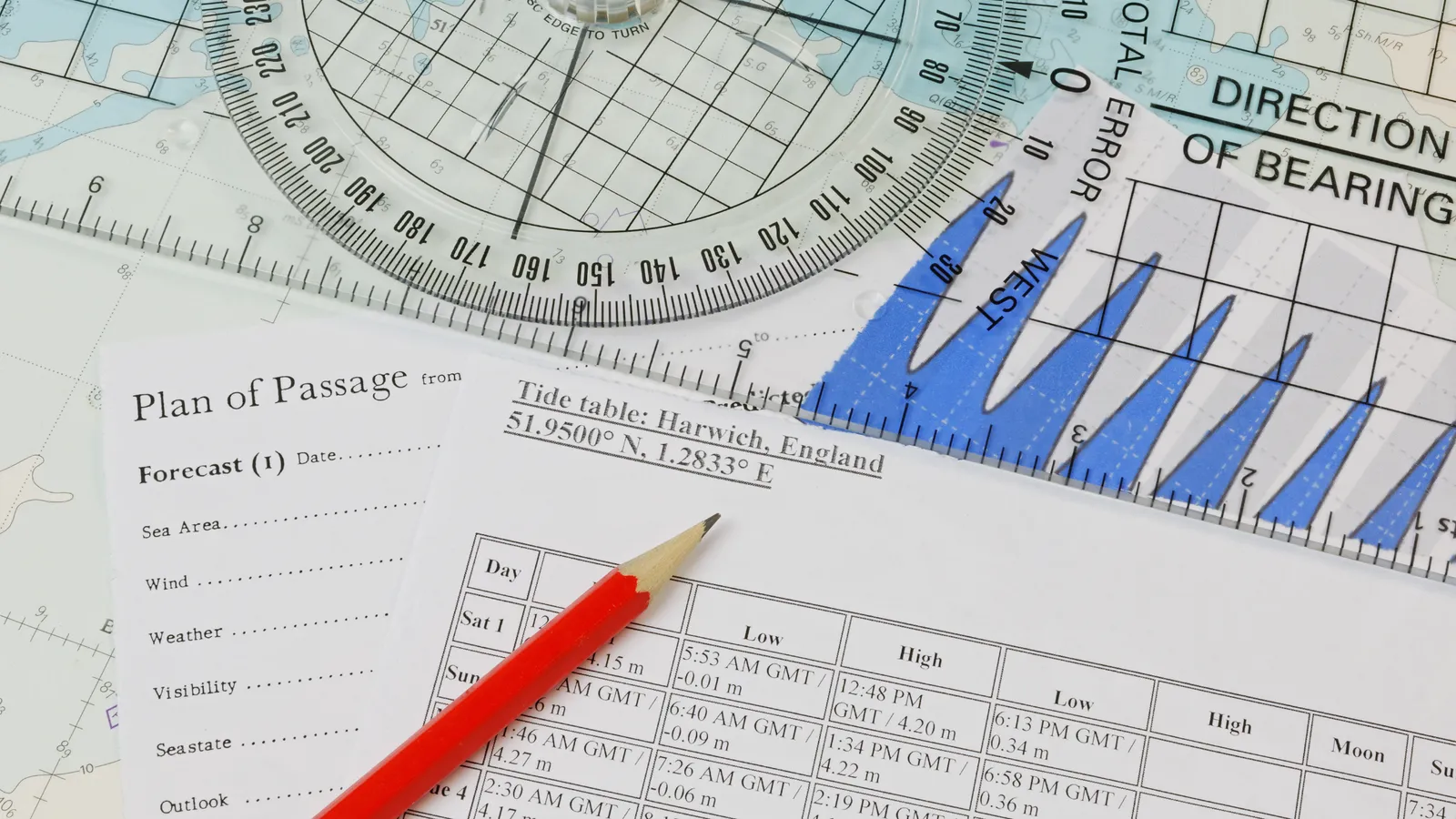
- Tide predictions: NOAA Tides & Currents has free predictions for stations around the US coast. Pick the station closest to your launch.
- Current predictions: on the same site, look for tidal current stations near channels and inlets. They show the times of slack water and maximum flood and ebb.
- Wind forecast: check wind direction against the current. Wind against tide makes short, steep waves, even on a sunny day.
- Local knowledge: rental shops and lifeguards know which channels rip on the ebb. Ask.
Reading the tide on the water
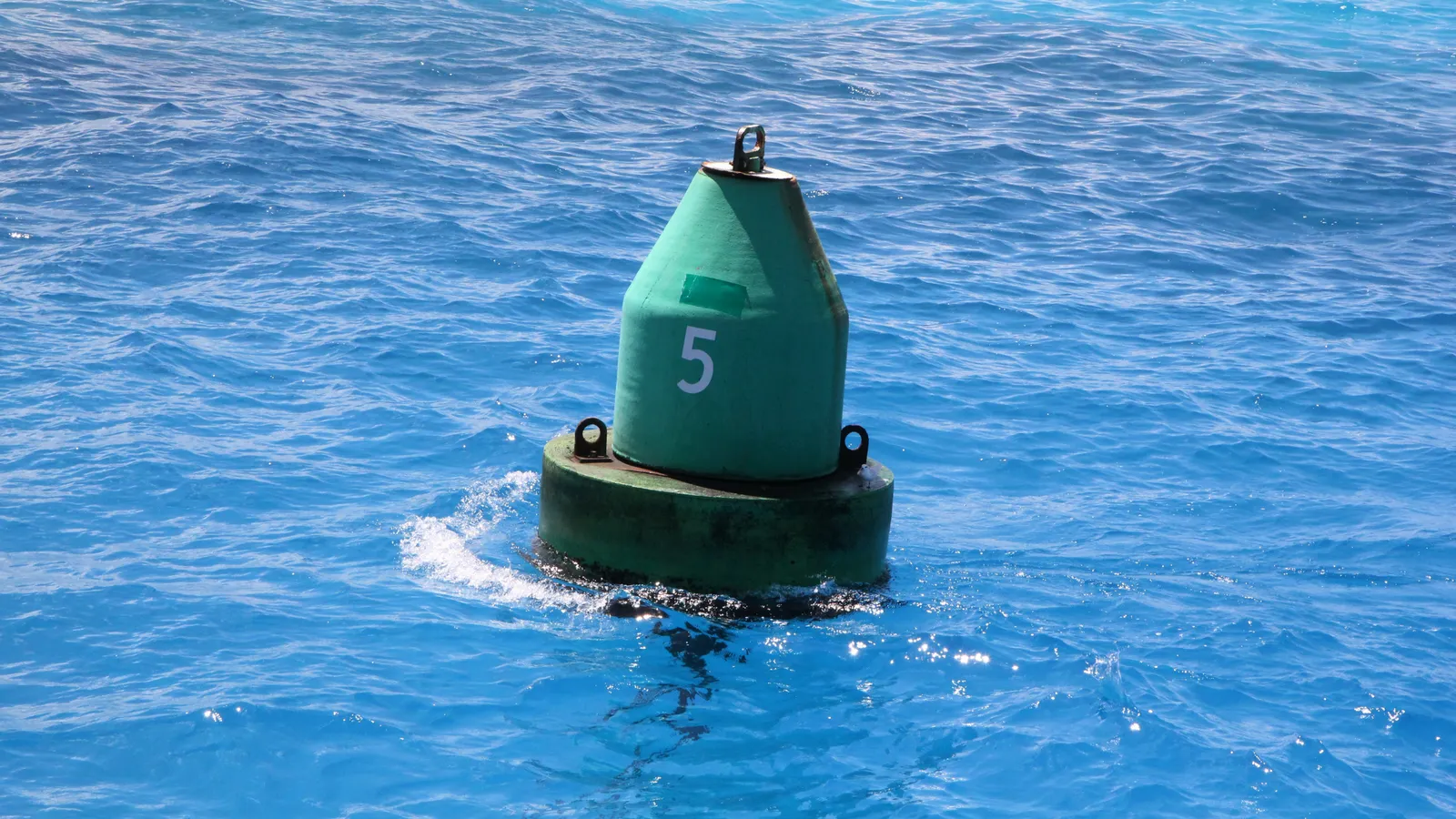
Predictions are the reliable method, but a few signs help you confirm what’s happening:
- Moored buoys and boats lean and point with the current. Kelp and debris trail downstream of them.
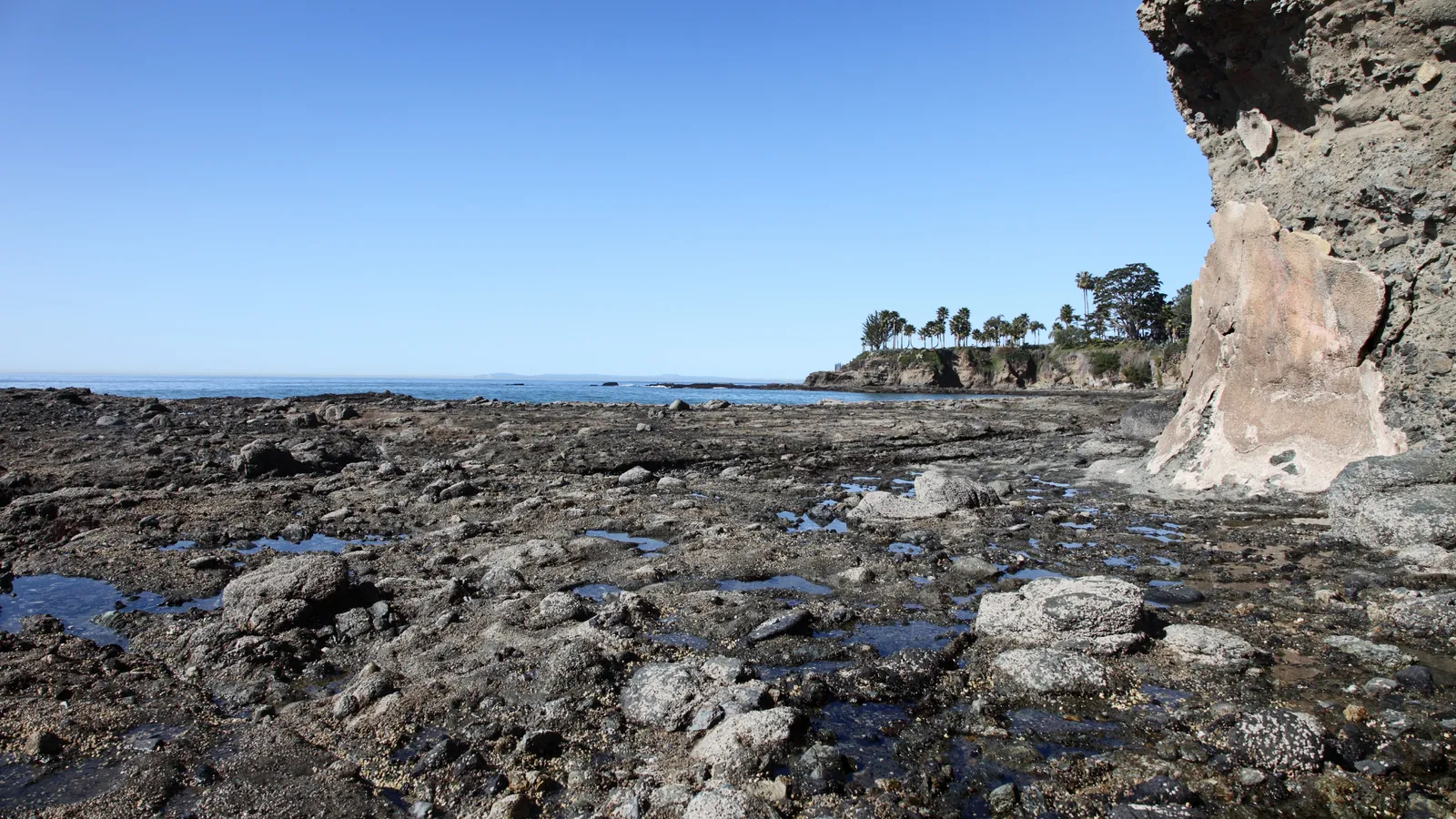
- Wet rocks and sand above the waterline usually mean the tide is falling. A dry line just above the water suggests it’s rising.
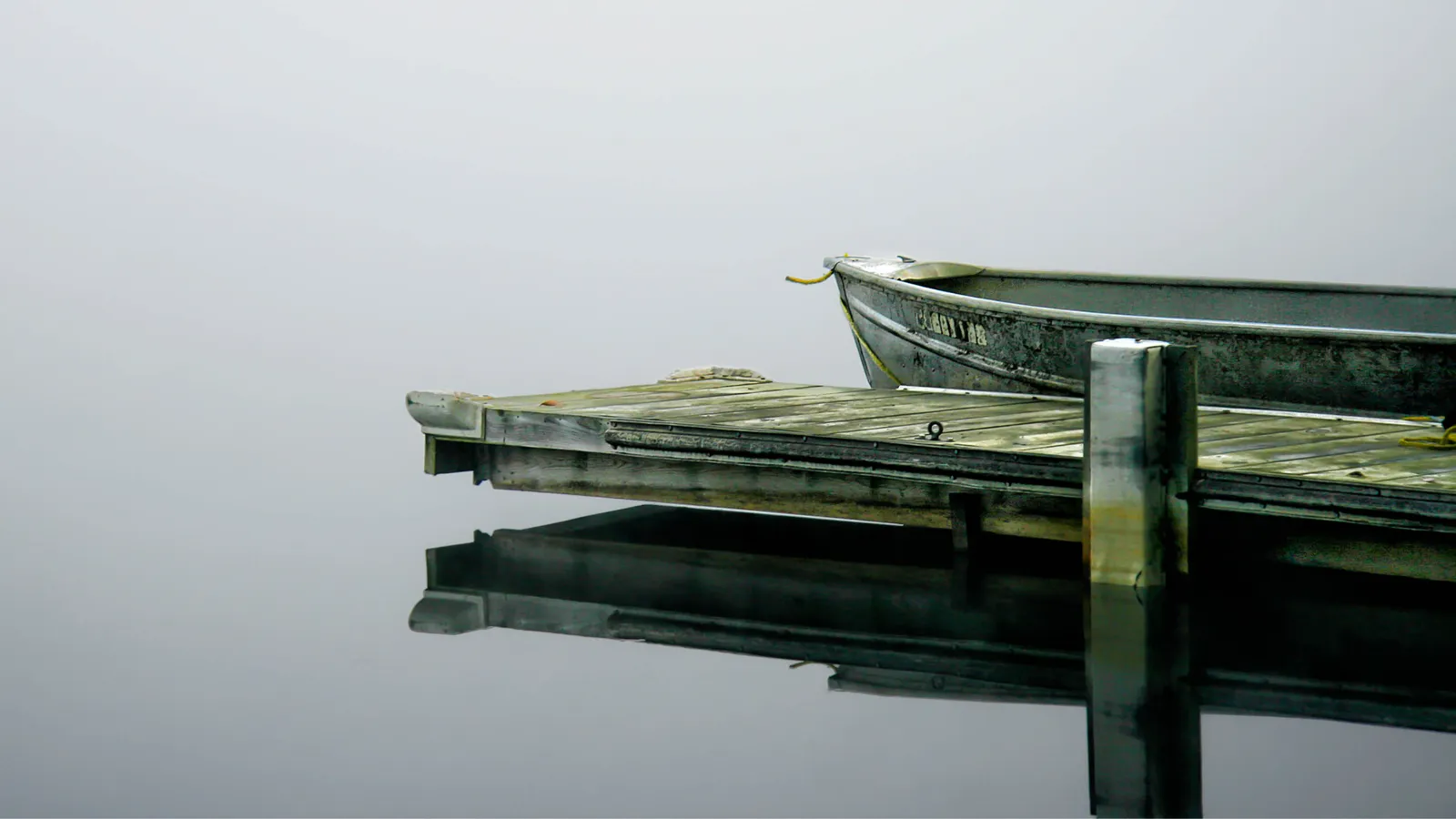
- Docks and pilings show a wet band and growth lines that tell you how high the water gets.
Plan your route around the current
- Go against the current first. Start into the current or wind while you’re fresh, and let it carry you home.
- Stay out of channels at peak flow. The current is usually slower near the edges and in the shallows.
- Know your turnaround time. A beginner paddles about 2–3 mph. If the current runs at 2 knots against you, you’ll barely move. The trip time calculator helps you estimate how long a route takes in still water.
- Wear a leash and PFD. If you fall in a current, the board drifts away faster than you can swim.
For more on picking a day, read the best conditions for paddle boarding and how to paddle board in the ocean.
FAQ
Is it better to paddle board at high tide or low tide?
High tide is usually easier: deeper water, fewer obstacles and shorter launches. Low tide is fine if you know the area and stay away from shallow rocks and mud flats.
Is an incoming or outgoing tide better?
It depends on your route. Paddle out against the current and come back with it. In river mouths and inlets, a strong ebb can push you out to sea, so beginners should avoid them on a falling tide.
Do tides matter on lakes?
No. Lakes don’t have meaningful tides. Wind is what you need to check there.
What tide is best for paddle boarding with kids or a dog?
Slack water near high tide, in a sheltered bay. You’ll have deep enough water to fall in safely and little current to fight.