You don’t need a wetsuit for paddleboarding in warm water. Once the water drops below about 75°F a wetsuit starts to make sense, and below 60°F you should treat a wetsuit or drysuit as essential safety gear. Decide by the water temperature, not the air: if you fall in, it’s the water that matters.
Quick answer
| Water temperature | What to wear |
|---|---|
| Above 75°F | Swimwear, rash guard or quick-dry clothes. No wetsuit needed. |
| 60–75°F | A 3/2 mm wetsuit (or a shorty/top in the warmer half) if you might fall in |
| 50–60°F | A 4/3 or 5/3 mm wetsuit, or a drysuit |
| Below 50°F | A winter wetsuit with boots, gloves and hood, or a drysuit |
Put in your local water temperature and our wetsuit check gives you the same answer in one step.
Why water temperature is what counts
Cold water steals body heat far faster than cold air. The National Center for Cold Water Safety warns that sudden immersion in cold water can make you gasp and lose control of your breathing, which is how capable swimmers drown close to shore. It describes water of about 53°F or colder as immediately life-threatening without thermal protection.
That’s why it rejects the old “120 rule” (add air and water temperature, and skip protection if the total is over 120°F). A warm 75°F day with 53°F water passes that test and could still kill you. Dress for the water.
How a wetsuit works
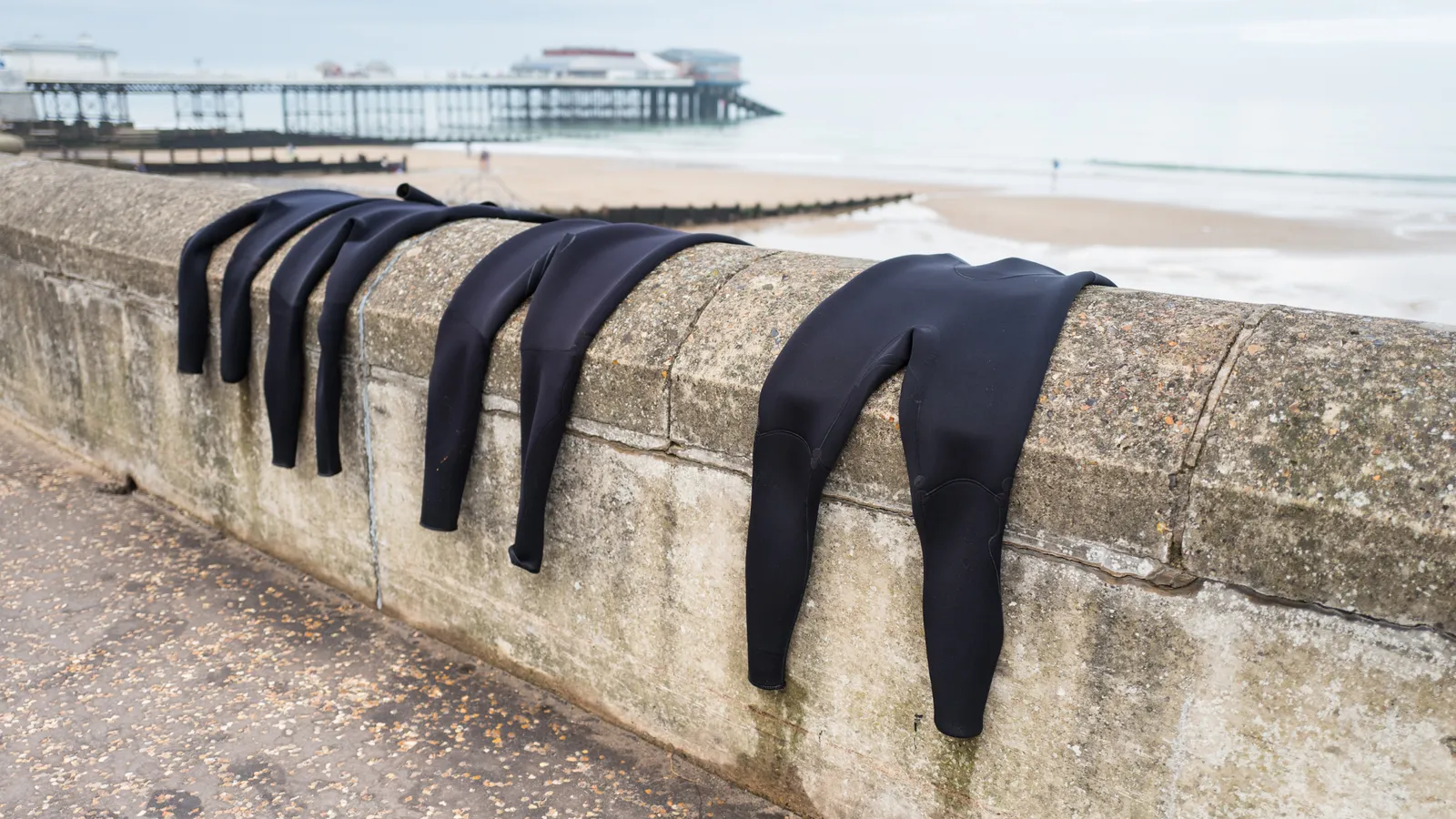
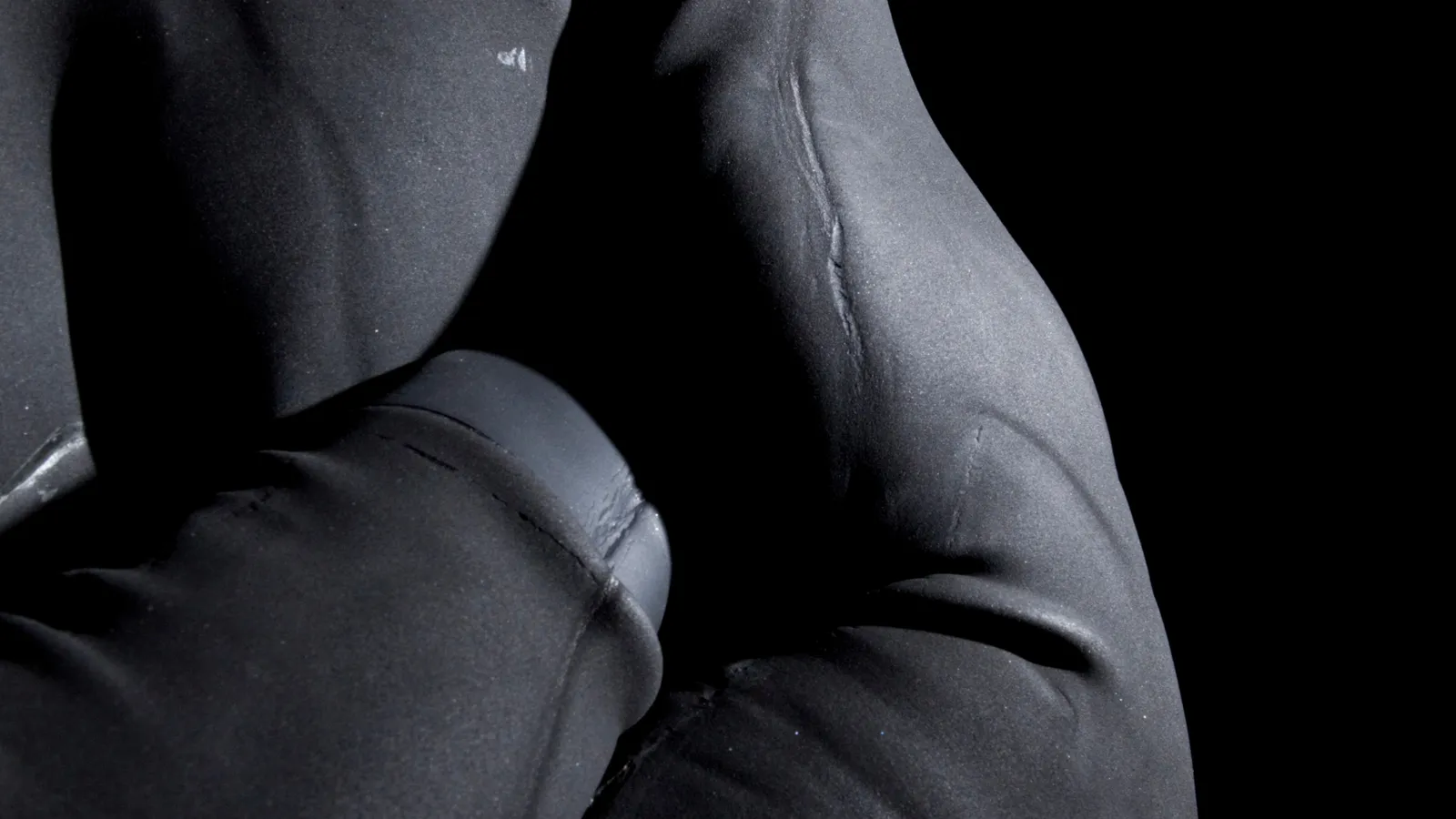
A wetsuit is made of neoprene, a foam rubber full of tiny gas bubbles that insulate you. A thin layer of water gets in between the suit and your skin, your body warms it, and the neoprene keeps that warmth in. It only works if the suit fits snugly. A baggy suit lets cold water flush through.
Thickness is written as two numbers, such as 3/2. The first is the neoprene thickness over your torso in millimetres, the second is the arms and legs. Thicker is warmer but stiffer.
Do paddleboarders need a wetsuit if they don’t fall in?
This is the real question for most flat-water paddlers. A full wetsuit is hot when you’re paddling hard in the sun and staying dry. But you can’t plan when you’ll fall. A boat wake, a gust or a slip on the deck puts you in.
- Calm flatwater, warm water (above 75°F): no wetsuit.
- Flatwater, cool water (60–75°F): a 2–3 mm wetsuit, a wetsuit top and shorts, or a thin long john suit. Experienced paddlers who rarely fall sometimes wear quick-dry layers instead, but beginners should plan to swim.
- Cold water (below 60°F): a proper wetsuit or drysuit regardless of skill. Many flatwater paddlers prefer a drysuit in cold water because it’s cooler to paddle in and keeps you dry if you fall.
- SUP surfing or rough water: you’ll be in the water a lot, so dress as a surfer would for that temperature.
Paddleboarding without a wetsuit

In warm water, wear what’s comfortable and dries quickly: board shorts or swimwear, a rash guard or UPF sun shirt, and a hat. Sunscreen matters more than warmth, since you’re getting sun from above and reflected off the water. Avoid cotton, which stays wet and cold.
Our guide to what to wear while paddleboarding covers outfits for every season.
Paddleboarding with a wetsuit
When you do wear one:
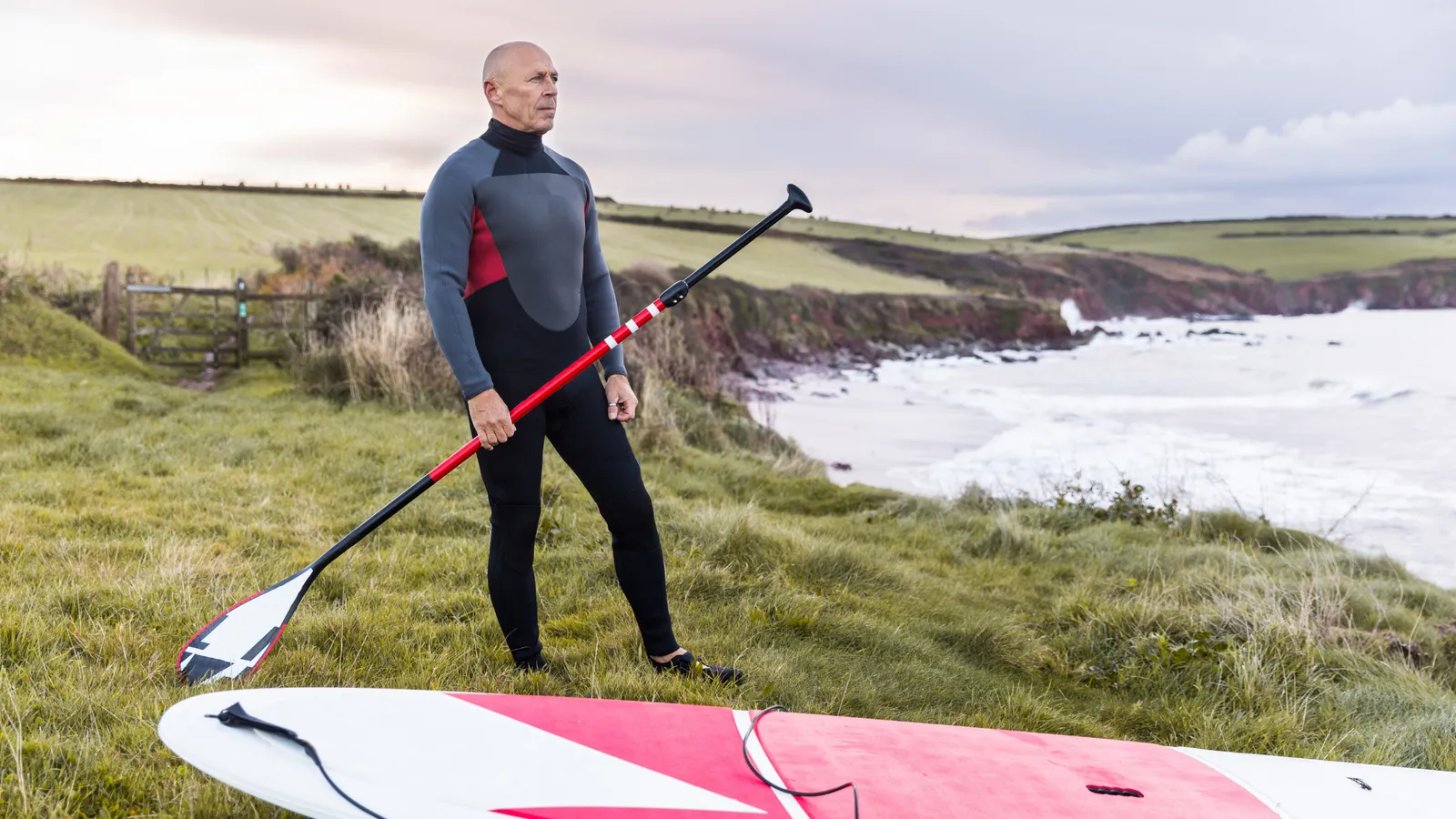
- Pick the style for the job. A shorty or top suits mild water. A full suit suits cool water. A sleeveless long john frees your shoulders for paddling.
- Get the fit right. Snug everywhere, no gaps at the neck or lower back, but you can still raise your arms overhead.
- Add neoprene boots on cold days, and gloves or a hood below about 55°F.
- Wear your PFD over it. A wetsuit adds a little buoyancy, but it’s not a life jacket.
What else to bring
A wetsuit doesn’t replace the safety basics. Outside swimming and surf areas, US rules treat a paddle board as a vessel, so you need a Coast Guard-approved life jacket on board and a whistle, and kids under 13 must wear their life jacket. Wear a leash too, so the board stays with you if you fall. See do you need a life jacket on a paddle board.
In cold water, also stay close to shore, paddle with a friend, and bring a dry bag with warm layers for afterwards.
FAQ
What water temperature do you need a wetsuit for paddle boarding?
Below about 75°F a wetsuit is a good idea if there’s a chance you’ll fall in. Below 60°F, treat it as required.
Is a wetsuit or a drysuit better for paddle boarding?
In cool water where you’ll fall often, such as SUP surfing, a wetsuit. For cold-water flatwater paddling, many paddlers prefer a drysuit: you can layer underneath, it doesn’t trap sweat-soaked neoprene against you all day, and you stay dry if you fall. Drysuits cost more.
Can I wear a wetsuit instead of a life jacket?
No. A wetsuit adds some buoyancy but doesn’t count as a life jacket under Coast Guard rules and won’t hold your head up if you’re exhausted or injured.
What thickness wetsuit do I need?
A 3/2 mm suit covers most paddling in 60–75°F water. Go to 4/3 or 5/3 mm in 50–60°F water, and a winter suit with boots, gloves and a hood below that.